Spiritual Sabbatical in India & Nepal
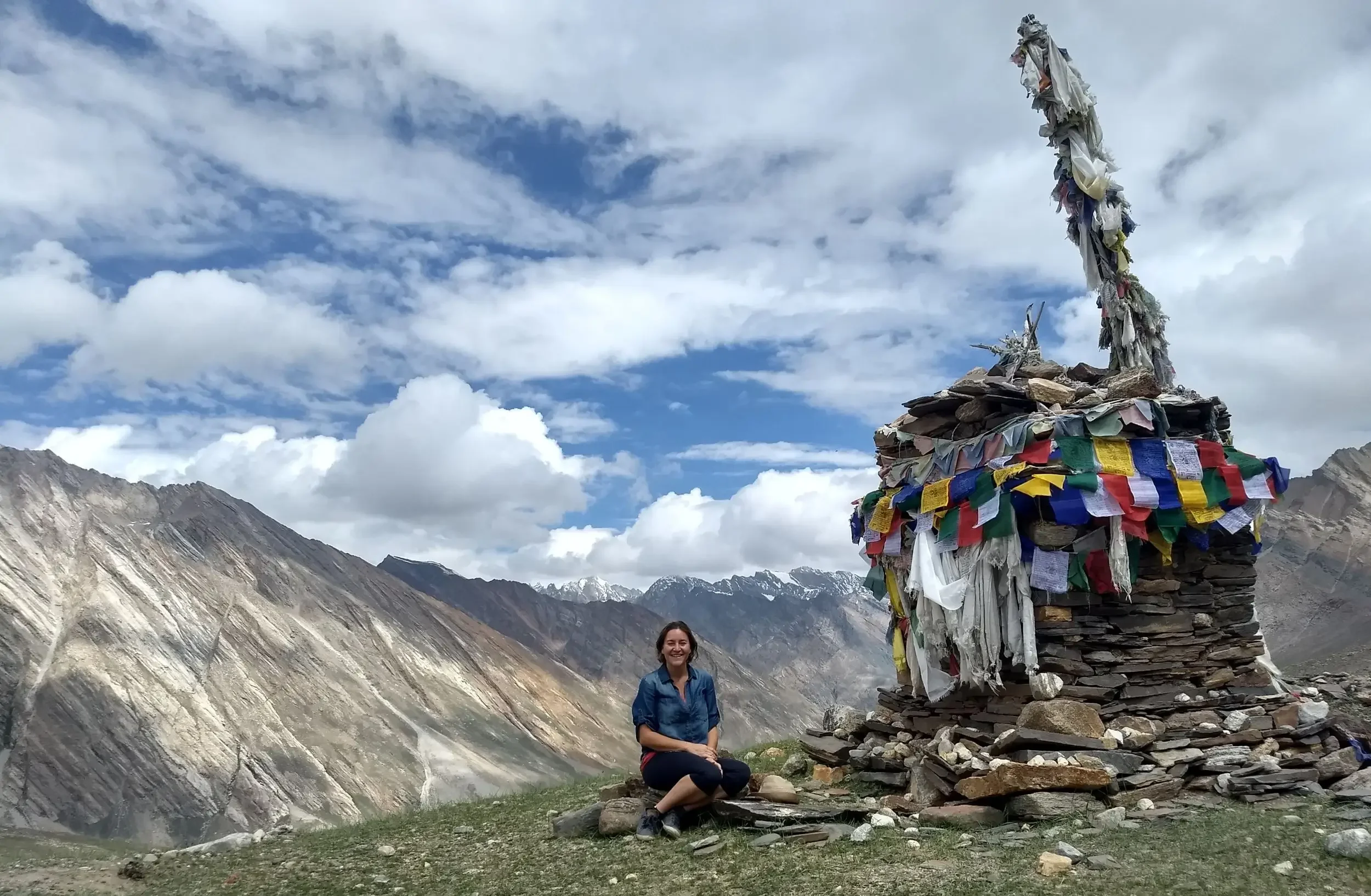
Let’s explore the rise of the midlife sabbatical through my own adventures from 2017-2020 when I pressed pause and took an extended break.
What prompted you to take a two-year sabbatical?
My life was good at the time, yet I was carrying a sadness within me, a longing that was aching for meaning and depth. I missed something, and I knew it had to do with living a more spiritual life. I carried a deep inner knowing that I would regret it if I didn't listen to this calling.
You describe the experience as life-changing. What specifically changed in the way you see yourself, your work or your life?
I feel deeply at peace. And it is not that my life is easy or without hardship. Even halfway through the sabbatical I had to fly home for five months as my mother was diagnosed with cancer. But despite pain, fear, grief and hurt, I have a peace inside of me now. The monks and nuns taught me that we are all one with the sky, knowing that everything else is just the weather. Clouds, storms, hail, thunder; they still happen in my life. But the sky, my innermost being, remains unaffected. I am deeply grateful for these teachings. And my clients tell me that my warmth and peace are my biggest gifts, one client even called me "a docking station for inner calm".
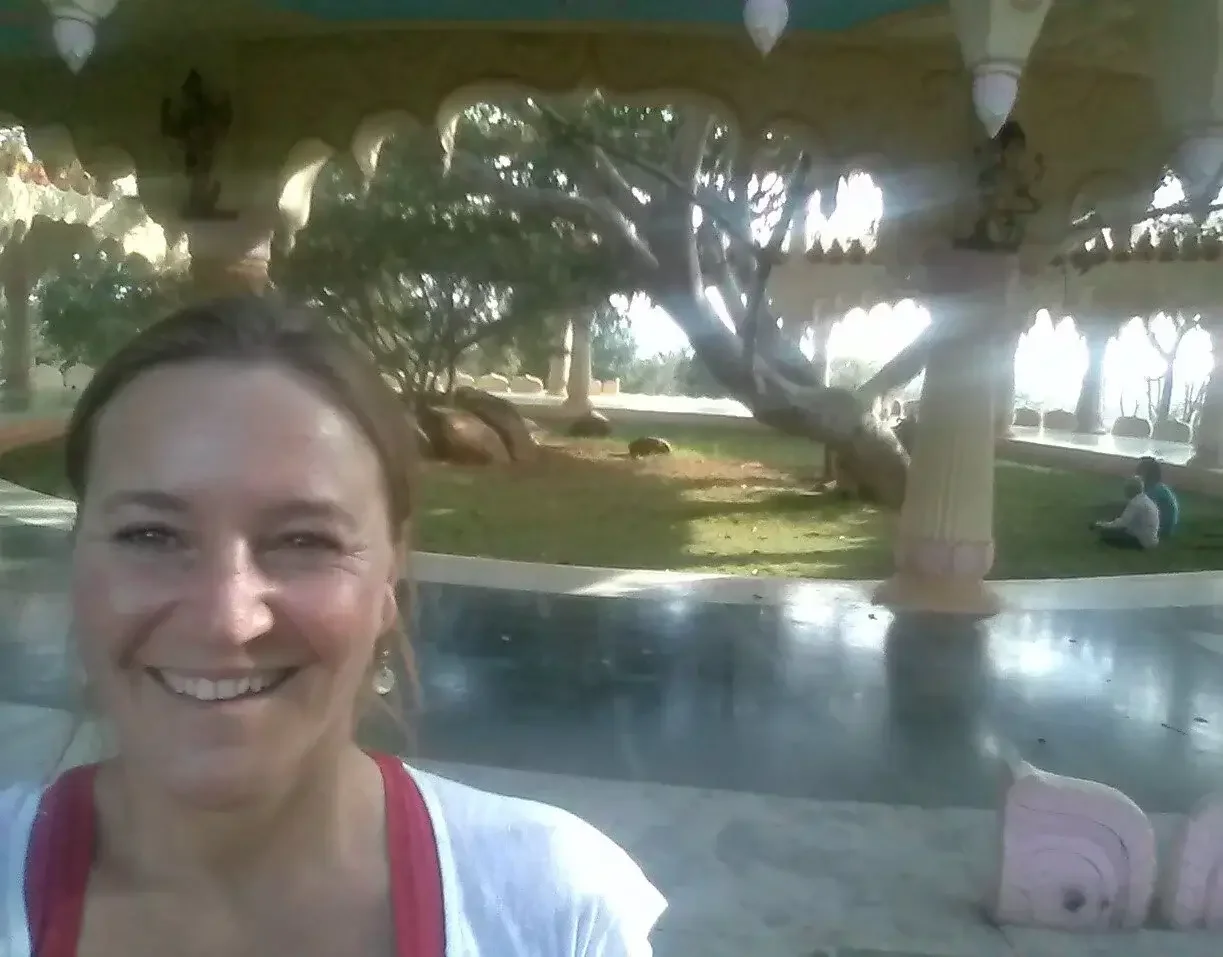
Karin Peeters at Art of Living Ashram - India
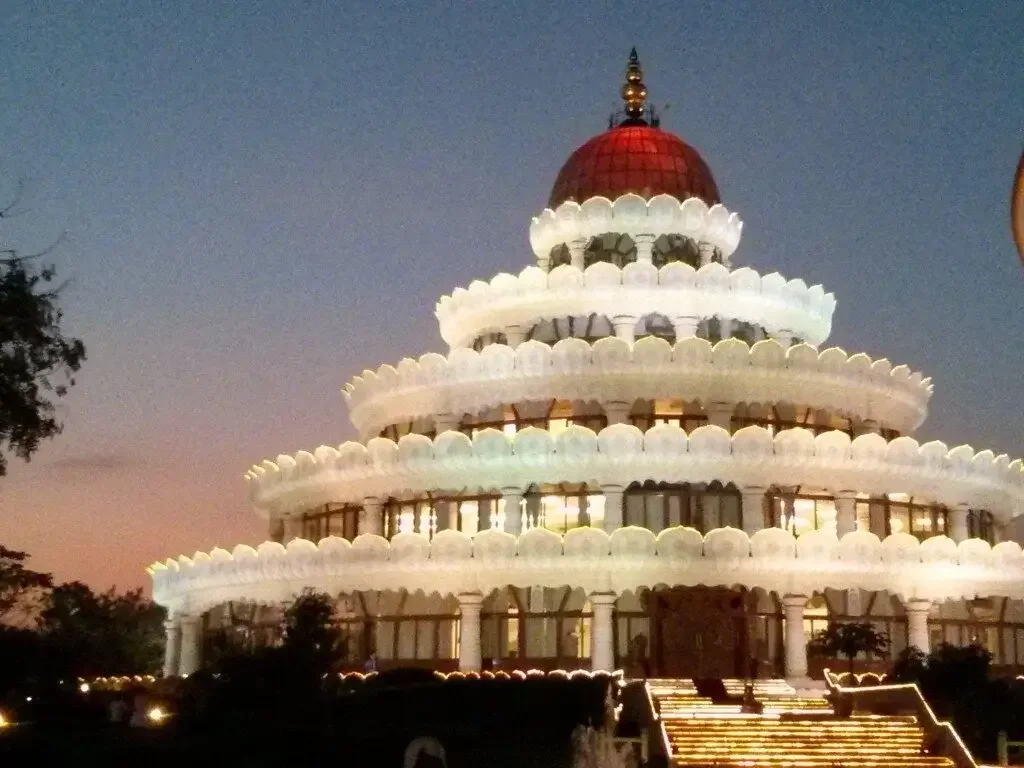
Art of Living Ashram, Bangalore, India
What did living in monasteries and ashrams teach you in particular rather than conventional long-term travel?
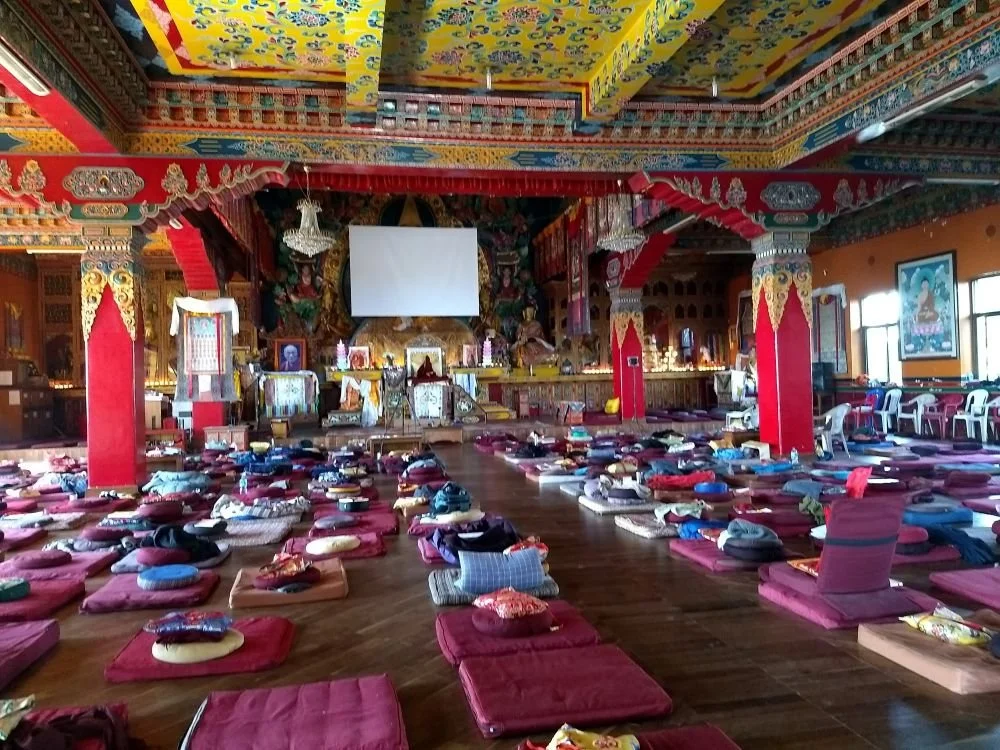
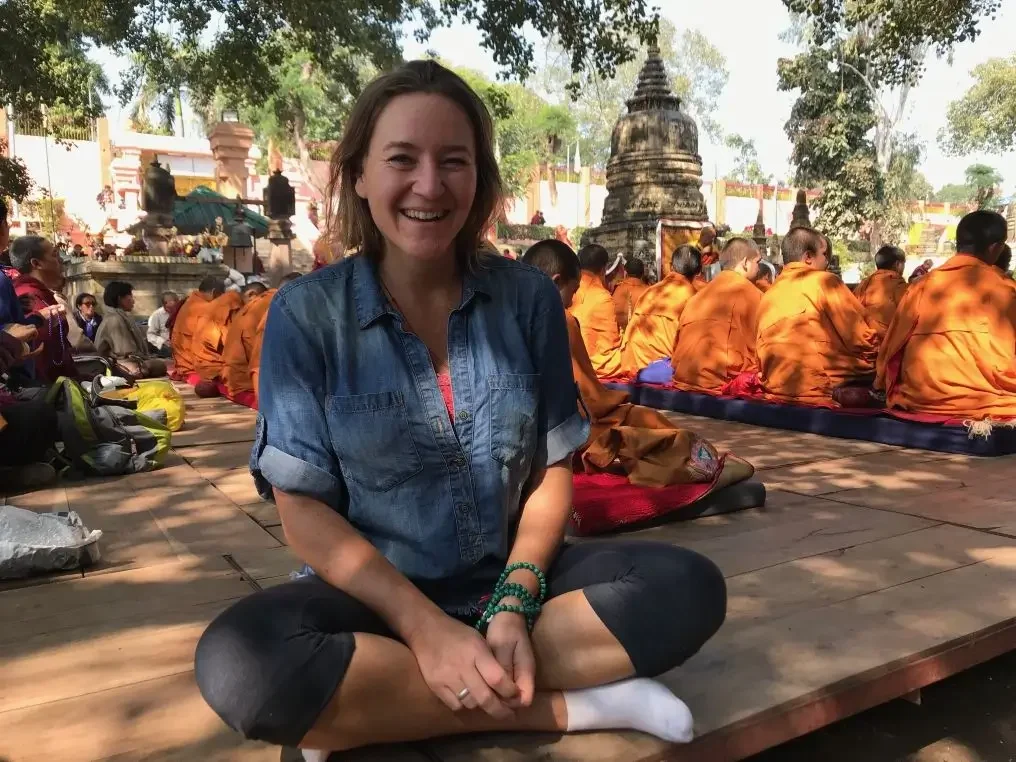
Being amongst people who live and breathe these ancient teachings daily is incredibly inspiring. I remember being in awe of their kindness, serenity, peace, softness. Their eyes shine, their interest is given as if they have all the time in the world, their presence is full and warm. I walked around thinking "What is your secret? I want to be like you. Teach me how I can be like you."
From your experience coaching women, what usually stops women from taking a sabbatical even when they desperately want one?
I'd say fear. Of what people think. Of not being loved as a result of our choices. Of not being able to secure a job upon return. Of a hit in our career. Believing we can't afford it. Feeling chained to our responsibilities. Mostly responsibilities towards others than ourselves, like children, a partner or aging parents. Especially as women, we are so brainwashed to be care-takers. Don't get me wrong, there is only goodness in being kind to others. But it goes wrong when the care-taking is at our own expense. It takes courage to open up the co-dependency bonds and to say "I am going to be true to myself". To trust that this empowers those around us, that those we love will grow as a result.
Choosing ourselves comes at the cost of not choosing the other thing. And the risk or fear of that potential loss is huge. I believe this decision making moment is much bigger than just the choice to take a sabbatical or not. It represents a bigger internal transformation and a pivotal moment of huge personal and spiritual growth.
What practical preparations did you have to make before leaving?
In terms of practical preparations, the entire house had to be packed into boxes! The garage and loft weren't part of the rental agreement and not needing to pay for external storage was a huge relief. Bank cards needed to be checked for long-term validity, important mail to be changed to email notifications, visas and vaccinations had to be arranged, making a will (just in case), and I hid emergency cash in a tiny zip-lock bag in the sole of my shoes. And, of course, time for hugs with friends and family!
As you’re also a Career Coach, what are your recommendations to frame your sabbatical within your career?
I've come across stories where HR questioned whether time recorded on a CV as a sabbatical was actually time spent recovering from burnout or in rehab. For this reason, make your travels verifiable. Photos and short videos work well, but in the age of AI, independent verification links on your Linkedin profile add credibility. For example, contribute a blog to the website of the charity you worked with, or share a link to photographs of you on the social media account of the company that organised your month-long cycling adventure.
Frame the travels on your CV as invaluable life experience by describing how certain aspects of your personality grew and flourished. For example, by travelling in a country where punctuality is hard to find, you developed patience and flexibility. Group travel teaches us negotiation skills, assertiveness and consideration for different perspectives.
If you had not taken those two years, what do you think your life would look like now?
First thing that comes up for me is that it would have been inevitable for me to go to India and Nepal. The pull was so strong, I would have been lying to myself if I didn't go. But to answer your question: sad. With a huge part of me missing. I would not be unhappy, as I adore my husband and feel deeply fulfilled by my work as a Coach & Therapist. But my soul, my innermost heart, my spiritual side would have been deeply sad. And the risk is that my regret would become solidified into resentment, for not being true to my own path.
If that resonates with you, but the plunge feels a step too far, let’s talk about what’s needed to live a life true to yourself.
If you long to live a life that feels truly yours, but the fears and concerns around taking that step feel too big to face alone, let’s talk it through together. We’ll explore what’s holding you back, how to be kind to those around you, to figure out what you really want, and what it would mean to choose a life that feels true to you. So you can move forward without any regrets later on in life.
Life is precious
bE TRUE TO what matters most
And if you’re curious how Spiritual Life Coaching or Buddhist Philosophy can help you move forward in life, please feel warmly invited to book a free Discovery Call. I adore my work, and would love to hear from you.
Warmly, Karin Peeters
Life Coach & Psychotherapist